
Understanding the psychological tactics that make gambling irresistible
The Allure of Instant Gratification
The concept of instant gratification plays a significant role in making gambling appealing. When players engage in gambling activities, they often experience immediate rewards, whether through a winning spin on a slot machine or a successful bet on a sporting event. This quick feedback loop can create an addictive cycle, as the brain releases dopamine, a neurotransmitter associated with pleasure and reward, reinforcing the behavior. As a new player, you might start your journey with a welcome bonus by completing Golisimo registration, which can enhance the excitement of your initial experiences.

This immediate satisfaction can overshadow the potential long-term consequences of gambling. Players may find themselves drawn into the excitement of winning, neglecting the risks involved. This tactic is employed in various forms of gambling, from traditional casinos to online platforms, ensuring that the thrill of the gamble remains at the forefront of the experience.
The Role of Cognitive Biases
Cognitive biases significantly influence gambling behavior, often leading players to make irrational decisions. For instance, the gambler’s fallacy, where individuals believe that past outcomes influence future events, can lead players to continue betting despite losses. This erroneous thinking creates a false sense of control over the outcome, encouraging continued play.
Moreover, confirmation bias can lead players to remember their wins while overlooking their losses, fostering a skewed perception of their gambling success. These biases can trap individuals in a cycle of play, making it difficult for them to recognize when to stop, which further solidifies gambling’s irresistible nature.
The Impact of Environment and Design
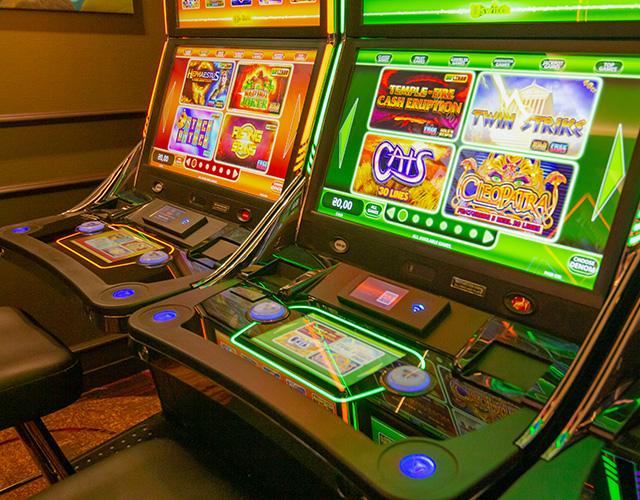
The physical and digital environments in which gambling takes place are meticulously designed to enhance the experience. Casinos and online platforms employ vibrant colors, sounds, and lighting that stimulate excitement and encourage longer play sessions. The absence of clocks and windows in traditional casinos removes the awareness of time, allowing players to lose track of their play duration.
Additionally, the use of bonuses and promotions in online gambling creates a sense of urgency and exclusivity. Players are often lured by limited-time offers, which can prompt impulsive decisions to gamble. This strategic design cultivates a sense of immersion, making it challenging for players to step away from their devices or the gaming tables.
The Social Aspect of Gambling
Gambling is often perceived as a social activity, enhancing its appeal to many individuals. Engaging in gambling with friends or in a communal setting can create a sense of camaraderie that reinforces the behavior. The shared experiences, whether celebrating wins or commiserating over losses, can deepen emotional connections and encourage continued participation.
Online gambling platforms further enhance this social experience through live dealer games and chat features, allowing players to interact in real time. This aspect can make gambling feel less solitary and more like a community, which can keep players returning for the social aspect as much as the games themselves.
Golisimo Casino: A Gateway to the Gambling Experience
Golisimo Casino exemplifies how psychological tactics are harnessed in the online gambling realm. With a vast selection of games and an enticing welcome package, it appeals to both new and experienced players. The site’s user-friendly interface ensures easy navigation, allowing players to quickly find their preferred games and immerse themselves in the experience.
The casino’s commitment to secure transactions and round-the-clock customer support provides a level of trust that encourages ongoing play. By offering a seamless experience across various devices, Golisimo Casino effectively captures the psychological tactics that make gambling irresistible, drawing players into a captivating world of entertainment and excitement.