
Gambling traditions Exploring cultural narratives across the globe
The Historical Context of Gambling
Gambling has roots that extend deep into the history of human civilization, dating back thousands of years. Archaeological findings suggest that ancient Chinese, Egyptians, and Romans engaged in games of chance and risk, often as part of religious ceremonies or entertainment. For example, dice made from animal bones have been discovered in archaeological sites, hinting at the communal aspect of these activities, which served both social and economic functions in their respective cultures. Today, many enjoy best football betting sites that reflect these longstanding traditions.
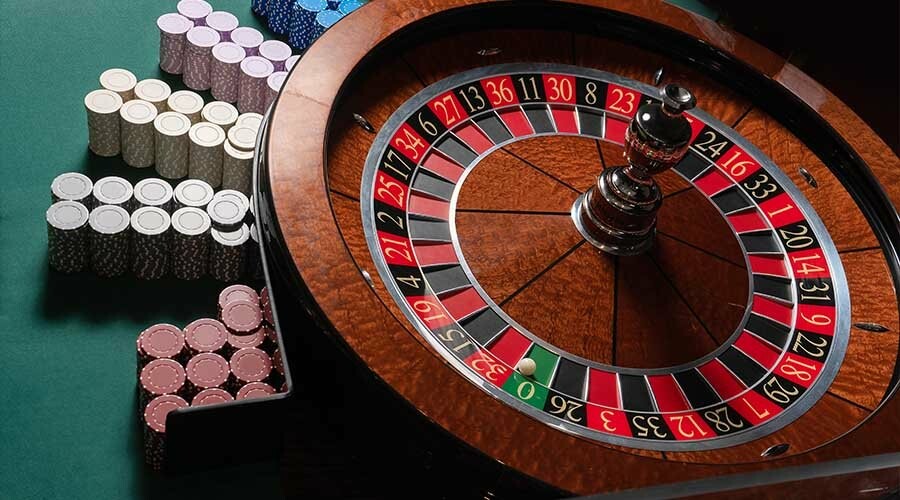
As societies evolved, gambling transformed into various forms reflecting the values and beliefs of the cultures that practiced them. In ancient Rome, for instance, the use of dice in games was a popular pastime among both the elite and commoners, often leading to extravagant wagers that illustrated wealth and status. Conversely, in many Indigenous cultures, gambling was integrated into spiritual practices, making it a sacred act rather than just a means for potential gain.
These historical narratives shape our understanding of modern gambling. Today, gaming and betting have been commercialized extensively, yet the cultural significance often remains. Traditional games, such as the Inuit’s “Blanket Toss” or the Native American’s “Loteria,” continue to exist, serving as reminders of cultural identity and community cohesion through the centuries.
Cultural Variations in Gambling Practices
Each culture has its unique approach to gambling, influenced by local customs, laws, and attitudes. In Asia, for instance, gambling is often interwoven with festivals and celebrations, reflecting a communal spirit. The Chinese New Year includes various games and activities that encourage luck and fortune, with Mahjong being a widely recognized game that embodies both strategy and chance. This cultural integration allows gambling to be viewed less as an individual pursuit and more as a collective experience.
In contrast, Western societies often view gambling as a form of personal entertainment, emphasizing individual choice and responsibility. Casinos, lotteries, and sports betting are prominent features in countries like the United States, where legislation varies by state, resulting in a patchwork of gambling opportunities. This divergence in outlook raises questions about the impacts of cultural narratives on gambling practices and the societal perceptions surrounding them.
A notable example of cultural variation can be seen in the indigenous gambling practices of Australia. Traditional games like “Kanga” have been played for centuries, often accompanied by storytelling and dance. Such activities are not merely about winning or losing; they embody a connection to heritage and community. This underscores the essential role of cultural narratives in shaping the meaning and purpose behind gambling across different societies.
The Role of Religion and Spirituality
Religion often plays a significant role in gambling traditions worldwide. Many cultures view gambling as a way to seek divine favor or enhance luck. In some Indigenous cultures, gambling rituals are intertwined with spiritual beliefs, where games are viewed as a medium for communicating with ancestors or seeking guidance from higher powers. This perspective shifts the focus from the act of gambling itself to the spiritual journey accompanying it.
Conversely, certain religious doctrines explicitly prohibit gambling, viewing it as a vice that can lead to moral decay. For instance, in many Islamic cultures, gambling is forbidden under Sharia law, which sees it as detrimental to the community’s well-being. This religious stance shapes social attitudes towards gambling, creating a complex interplay between faith, morality, and cultural practices.
Additionally, some religions incorporate gambling-like practices into their rituals. For example, the casting of lots in Christianity has historical roots in decision-making and fate, serving as a form of divine intervention. This illustrates the varying perspectives on chance and destiny across different faiths, adding another layer to the understanding of gambling traditions worldwide.
Modern Trends and Responsible Gaming
As gambling continues to evolve in the digital age, modern trends reflect changes in technology, accessibility, and societal attitudes. Online gambling platforms and mobile applications have revolutionized how people engage with games of chance, allowing for instant access to various options. This has expanded the audience for gambling but also raised concerns regarding responsible gaming practices and the potential for addiction.
Responsible gaming initiatives are increasingly important as gambling becomes more mainstream. Many countries are implementing regulations that encourage safe play and protect vulnerable individuals. Educational campaigns aimed at raising awareness of the risks associated with gambling are essential to promote a healthy relationship with gaming. These initiatives help to cultivate a culture of accountability within both traditional and online gambling environments.
Furthermore, the emergence of new technologies, such as artificial intelligence and blockchain, offers innovative solutions to enhance responsible gaming. These advancements can provide personalized insights and safeguards, ensuring players are informed about their gaming habits. This represents a significant shift towards a more sustainable approach to gambling, aligning with the cultural narratives that promote community well-being and individual responsibility.
Exploring Gambling Narratives on Our Website
Our website serves as a comprehensive resource for understanding gambling traditions across various cultures. We delve deep into the historical, cultural, and spiritual aspects of gambling, highlighting its significance beyond mere entertainment. By exploring these narratives, we aim to foster a greater appreciation for the diverse ways people engage with gambling around the world.
Through articles, interviews, and community discussions, we provide a platform for sharing insights and experiences related to gambling. We encourage responsible gaming practices while celebrating the rich tapestry of cultural narratives that shape our understanding of this age-old activity. Join us in exploring the fascinating world of gambling traditions, where history, culture, and modernity intersect.